



Managing Rubble and Construction Waste: What You Need to Know When Renovating
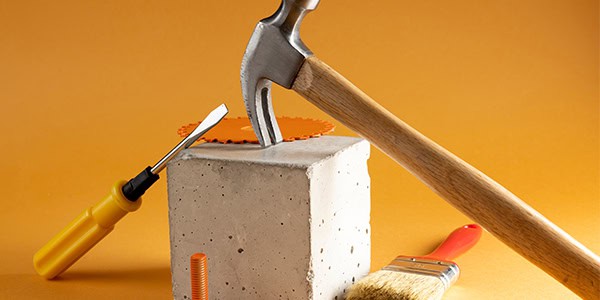
The renovation of old buildings and their conversion into modern commercial or residential spaces has increased rapidly in recent years. In particular, the trend of renovating and upgrading rental properties through platforms such as Airbnb or creating student apartments is now commonplace. However, an important part of renovation that is often overlooked is the management of rubble and construction waste.
Inert materials resulting from construction work must not be disposed of in an uncontrolled manner, as this can lead to significant environmental damage, such as soil and groundwater contamination, as well as aesthetic degradation of the environment. It is therefore essential to understand the obligations that come with managing this waste and to implement the correct recycling and disposal practices.
What is Construction Waste and How is it Classified?
Rubble, or officially CDW (Excavation, Construction, and Demolition Waste), is waste generated by all types of construction activity, whether excavation, new building construction, demolition, or even minor maintenance work. This includes concrete, bricks, wood, plasterboard, metals, and other solid materials.
Proper management of this waste is crucial, as uncontrolled disposal can cause problems for the natural environment and violate applicable legislation. Furthermore, recycling these materials can significantly reduce the amount of waste that ends up in landfills, contributing to sustainability and the protection of natural resources.
Legislation and Obligations for AECC Management
Greek legislation imposes specific rules and procedures for the management of CDW. Any owner or contractor undertaking construction or renovation work is required to enter into a contract with approved waste management systems. When a permit is issued, either for construction or demolition work, a Waste Management Plan (WMP) must be submitted. This plan sets out the methodology to be followed for the collection, storage, transport, and final disposal or recycling of the rubble produced.
The process also includes the provision of a letter of guarantee, which ensures the proper management of waste during the works. Upon completion of the works, the owner must obtain a certificate from the AEKK management system confirming that the debris has been managed in accordance with legal procedures.
The Importance of Recycling Construction Waste
Recycling C&D waste is not just a legal obligation, but also an act of environmental responsibility. Proper recycling reduces the amount of materials that end up in landfills, while some of them can be reused in the construction industry. For example, concrete can be crushed and reused in new constructions as a coating material. Similarly, metals and wood can be processed and reused.
Small-Scale Processes and the Importance of Collaboration
Even for small-scale projects, such as renovating an apartment, those responsible must follow the correct management procedures. The owner has the option of either undertaking proper waste management themselves or working with local authorities or specialized recycling companies. In many cases, municipalities provide structures or advisory services for construction waste management, facilitating the process.
Economic Benefits of Proper Management
Proper waste management not only protects the environment, but can also yield significant economic benefits. Separating materials at source, such as wood, metal, and concrete, reduces the total weight of waste that needs to be transported and recycled, thereby reducing costs. According to estimates, sorting materials can reduce management costs by up to 55%.
Conclusion: An Opportunity for Sustainable Renovations
Construction waste management is a critical step in completing a renovation, whether it is a small-scale project or a large-scale construction. Compliance with laws and the implementation of recycling practices ensure legal compliance, environmental protection, and resource conservation. In this way, renovation can be carried out in a sustainable manner, offering both practical and financial benefits to the owner.