

REPAIRS AND RESTORATION OF LISTED BUILDINGS
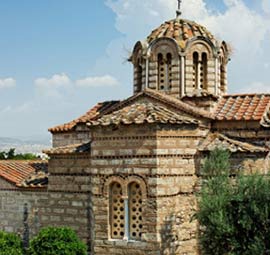
Preserved buildings may exude an aristocratic charm and serve as a unique reference to a city’s cultural and aesthetic heritage, they are also a heavy burden for their owners, since it is a fact that their maintenance and restoration in many cases costs two to three times more than the construction of a normal building.
According to Greek law, listed buildings are divided into those that fall under the exclusive jurisdiction of the Ministry of Culture and those that fall under the jurisdiction of the Ministry of the Environment.
What is considered a listed building Building
According to Article 4 of Law 1577/1985, the main prerequisite for a building to be classified as preservable is that it must be an urban property constructed after 1830.
The advantages
The designation of a building as a listed building comes with both obligations and rights. Firstly, a listed building contributes to the preservation and promotion of the country’s cultural heritage. At the same time, the value of the building increases and, the property is no longer subject to demolition or expropriation. Finally, if the listed building is over 100 years old, it is eligible for a small tax break, as it is exempt from paying ENFIA (property tax).
The Obligations
However, a listed building has certain restrictions, the most important of which is that you are not allowed to make any alterations to it without the relevant approval from the competent ministry, even for the installation of air conditioning or solar systems. In addition, any construction activity is prohibited, and if the building is damaged or destroyed by a natural phenomenon, the owner is obliged to restore it.
The steps for the restoration of a listed building
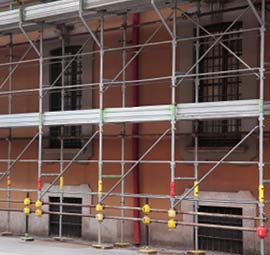
The process of restoration follows the stages of total renovation of a conventional property. The basic difference has to do with the restrictions that apply to a listed building and reduce the degree of permitted interventions.
Step 1: Inspect the building’s structural elements to determine the stability of the structure.
Step 2: Study to fix the problems found – Make a plan for architectural restoration and a plan for structural restoration – Get approval from the right agency.
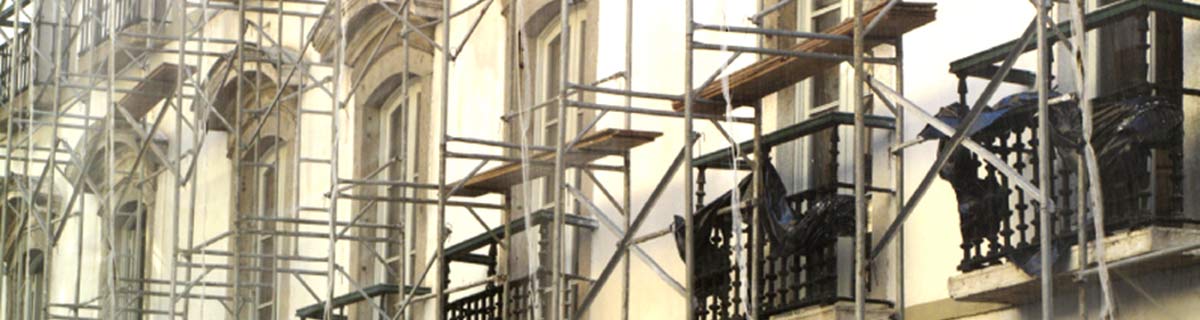
Step 3: Repair and reinforce the masonry.
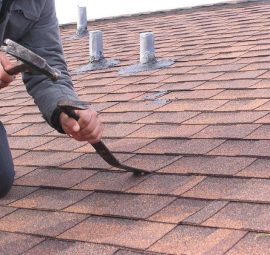
Step 4: Other repairs (Maintenance of floors, ceiling, repair wooden structures) – Approval by the competent authority.
What does the Service for the Restoration of Listed Buildings include?
- Restoration of listed buildings using traditional and modern methods and techniques to restore and highlight their morphological features.
- Restoration and repair of monuments and traditional buildings based on specific quality criteria
- By restoration, we mean the restoration of buildings to their original form through the repair and maintenance of their parts.
- Such buildings, such as listed buildings and buildings in settlements designated as traditional, present difficulties, particularly in terms of their structural adequacy and the use of materials that are not commonly used today.
- Restoration work has similarities with renovation work, but requires the use of more specialized personnel, both craftsmen and supervisors.