



The concept of expropriation and the rights of the owner
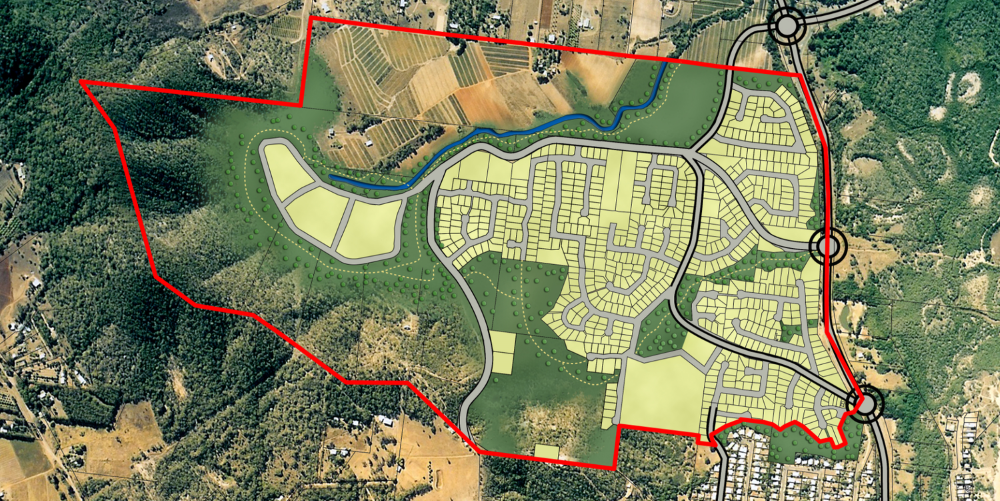
The concept of expropriation and the rights of land or building owners are defined by the Constitution and the law, as these provisions are interpreted by the courts on the basis of the law and the interpretation of court decisions.
Expropriation is the process whereby the state or a legal entity governed by public law decides that a person’s property is necessary for the state or municipality to take possession of it and removes the property for public benefit (land and any buildings on it, if any) from one or more persons without their consent, always with the payment of full and complete compensation.
This act is valid under certain conditions, as there are articles in the Constitution that protect our individual rights.
Expropriation is divided into compulsory and road expropriation.
Both procedures lead to the same result, namely the deprivation of the person’s property.
The differences between the two procedures lie in the purpose for which they are carried out and the way in which they are performed.
The compulsory expropriation is carried out by means of decision by the Administration in order to create e.g. a school or a hospital.
Expropriation for urban planning purposes is carried out within the framework of broader urban planning (e.g., to incorporate an area into the city plan or to acquire a street plan, to create building blocks, to open roads, etc.).
A similar concept is de facto expropriation.
According to her, there is no official state act of expropriation and compensation.
However, when restrictions are imposed on property for reasons of public interest (e.g. to protect cultural heritage), it is considered that de facto expropriation exists if the restrictions imposed result in the total and definitive deprivation of the use of the property.
In all of the above cases, the owner, subject to the conditions set forth in the constitution and the law, has the indisputable right to request:
A) The revocation of the expropriation
B) Full compensation
C) The cancellation of the urban planning and the reversal of the entire city plan for an area or the cancellation of the compulsory expropriation act. According to Article 17&5 of the Constitution, in order for a road expropriation to be carried out, full compensation must first be paid to the affected properties, and only then may the local authority, the State or public entities, as well as any interested parties, may take possession of the property.