



Photovoltaics: Everything you need to know about self-generation (net metering)
1. What is self-production and what do we gain from it?
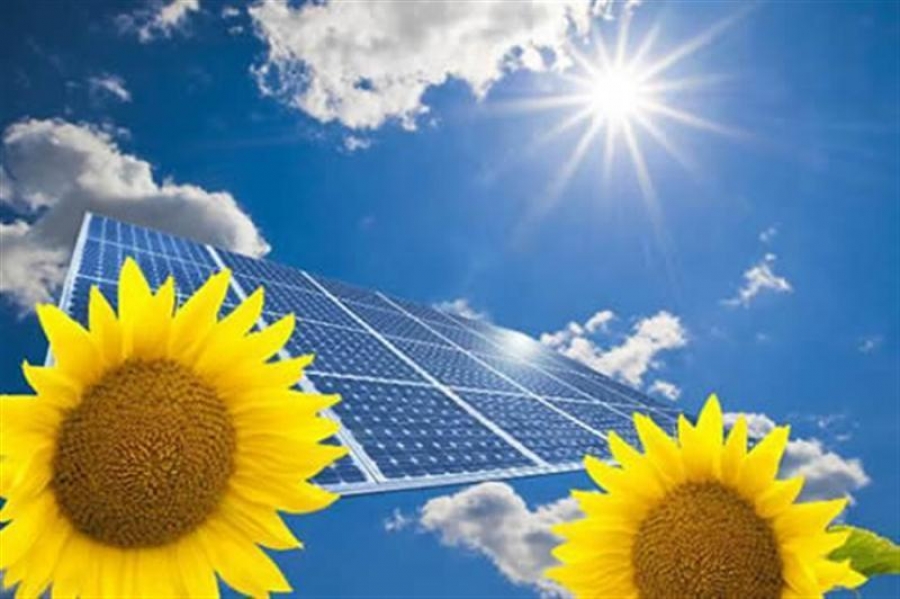
The term “self-production” refers to the ability to generate electricity from small RES (mainly photovoltaics or small wind turbines) for self-consumption in our building (home, business, office, etc.). This allows us to save money on our electricity bills and significantly help the environment and climate, as we produce our own energy in a clean and renewable way.
2. How does it differ from the “Photovoltaics on Roofs” program that was in effect until now?
Unlike the Rooftop Photovoltaics program, with self-production we do not sell the energy we produce at an agreed price to the grid, but use it for our own consumption. Today, the cost of photovoltaics has fallen so much that it is now more profitable to purchase and operate a photovoltaic system for 25-30 years than to purchase electricity from the grid for the same period. Depending on consumption, the payback period is 5½-8 years (taking into account the continuous increases in electricity prices). As the cost of installing photovoltaics will continue to fall in the future, the investment will become increasingly attractive. The new ministerial decision on self-production allows the use of multiple systems per building (so that multiple consumers in the same building can be served), while installation on pergolas or neighboring plots is also permitted. The installation of a system is also permitted by those who have legal use of the space (e.g., tenants).
3. So, I don’t have to pay my electricity bill again?
No, because the PPC bill includes charges that are not related to electricity (e.g., municipal fees, taxes, etc.), but also some others related to electricity consumption that the institutional framework requires us to continue paying – completely unjustifiably (e.g. part of ETMEAR, YKO). Greenpeace will continue to push for further improvements to the legislation so that self-producers will be exempt from these unjustified charges in the near future. Even under the current circumstances, however, the payback period is as mentioned above.
4. But can I cover my heating needs as well?
Absolutely. One of the positive “side effects” of self-production is that it provides an incentive to replace polluting heating systems that use fossil fuels with efficient heat pumps. This means that you can buy a photovoltaic system capable of covering the extra electricity consumed by the pumps and minimize your total energy costs (you will only pay the small amount on your bill). This is exactly what we are doing at the “Agios Alexandros Shelter for Abused and/or Orphaned Girls” foundation, with the help of thousands of citizens. See here for more information on how they will have proper and (almost) free heating. We want this building to be an example of how the government can help with appropriate policies to combat energy poverty.
5. But what will we do at night when there is no sun? Can self-production fully cover our electricity needs?
Yes, it can, because the new regulatory framework allows excess energy to be “stored” in the grid free of charge. This is called “net metering.” When we produce more energy than we need during the day, the surplus is “lent” to the grid free of charge so that we can take it back in the evening when we need it. If we need even more energy, then we buy it as usual, just like today. If we need less, then the surplus energy is ‘credited’ and carried over to the next period (four months, as electricity bills are issued). The final netting is done on an annual basis. Any surplus energy after the end of the year is lost. This is to provide an incentive to install only the photovoltaic panels we need (based on our actual annual needs) and no more.
6. Do I need batteries? batteries;
No, since the PPC network acts as the “battery.” Based on current data, purchasing a battery increases the installation cost significantly, making it a viable option only for buildings that are isolated from the grid (most of which use diesel generators for electricity). However, at the rate at which modern batteries are evolving today, it is only a matter of time before the cost is reduced to the point where it becomes an economically viable option in almost all cases. Solar energy (Greece’s enormous natural resource) is here to stay and solve most of our country’s energy problems!
7. Does self-production place a burden on LAGIE?
Self-production strengthens LAGIE (Hellenic Electricity Market Operator SA) because there is no sale of energy to the grid. Any excess energy lost at the end of the settlement period (one year, as mentioned above) is credited to LAGIE. Another interesting alternative proposal submitted by Greenpeace, but ultimately not adopted, was for the surplus energy to strengthen the PPC Social Tariff.
8. How much will it cost me to invest in self-production?
The tables below estimate the investment cost as well as the annual and total (Net Present Value) benefit for different investment scenarios.
9. So, what steps do I need to take to… get rid of expensive electricity bills?
The process of connecting the photovoltaic system to the grid is similar to the process of connecting the existing ‘Photovoltaic on Roofs Program’. First of all a request to the local authorities is required for the connection of the existing system to the grid application to the local administrator of the network (HEDNO). The Hellenic Electricity Distribution Network Operator shall respond to you within one month with the offer for the supply of electricity to your premises month with the connection offer. You will need to pay a certain amount for the connection fees, while in some cases you may need to pay additional money for the completion of (especially for large systems, in which it may be necessary to upgrade the connection and/or some accompanying works etc.).
In any case, be sure to contact a qualified installer, who will inform you of the necessary steps and assist you with the procedures.
10. What are the environmental benefits of self-generation?
Self-production is directly linked to energy savings, as it reduces the building’s energy footprint and, consequently, the need to purchase electricity, in a similar way to a solar water heater for hot water. Furthermore, it is an incentive for more efficient energy use and further energy upgrades, through the replacement of polluting oil burners with efficient heat pumps (which will consume electricity from our photovoltaic system). Finally, let’s not forget that electricity is produced in a way that is very harmful to the environment, the climate, and public health: by burning coal (lignite), natural gas, and oil. In particular, burning coal to generate electricity is the main source of greenhouse gas emissions on the planet. By generating our own electricity, we help protect the environment, reduce local pollution, and contribute directly to the fight against climate change.
I don’t forget about saving money!
The more energy efficient our building is, the smaller the photovoltaic system we need to meet our needs. On the other hand, it may not be a priority to plan a photovoltaic installation when we live in a house that is “leaking” everywhere. In some cases, it is better to first properly insulate our home and then become independent from electricity bills with a photovoltaic system.