



Change the tiles in your bathroom yourself!
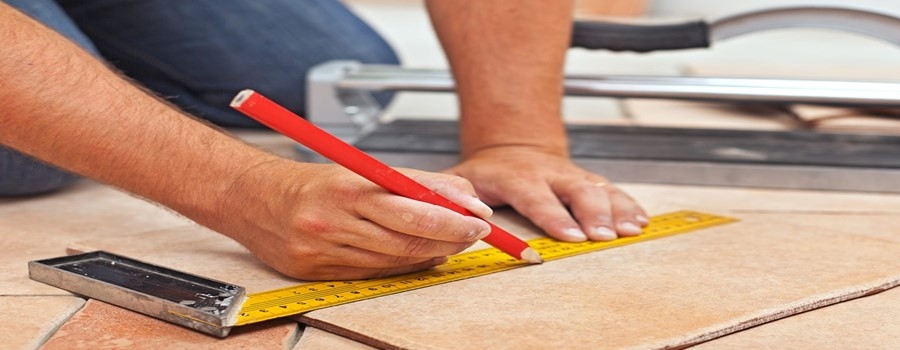
Want to upgrade the look of your home, but your finances won’t allow it? Start with a low-budget bathroom renovation by replacing your old, broken tiles yourself and refresh your everyday life!
Materials you will need for gluing and grouting the tiles:
- Serrated spatula (for the adhesive)
- Rubber mallet (sledgehammer)
- Rubber spatula (for mortar)
- Grouting crosses
- Drill mixer (for preparing materials)
- Trowel
- Alfadi
- ISOMAT SL 17 (Elastomeric material for waterproofing behind tiles)
- ISOMAT AK 22 (High-quality, flexible, resin-based tile adhesive C2 TE S1)
- MULTIFILL joint filler
- MULTIFILL-ELASTIC (Colored elastic tile grout)
Step 1: Choose the tiles you like!
There are now tiles available on the market in many different sizes and countless colors and designs. Choose the right ones, depending on the style you want to achieve in your bathroom (modern, minimalist, rustic, classic, etc.). ISOMAT offers a complete range of MULTIFILL grouts for all types of tiles, in many unique shades, which will contribute to the special final aesthetic result!
Step 2: Preparing the substrate
Start by removing the old tile layer! Then, make sure to clean the surface thoroughly. If it has many imperfections or holes, you will need to fill them in to level it. Before laying your new tiles, it is a good idea to waterproof the substrate with a brush-on waterproofing product suitable for use under tiles (e.g. ISOMAT SL 17) to prevent future moisture problems, which can lead to mold growth or tile detachment.
Step 3: Placing tiles on the wall
Once the waterproofing layer has dried, proceed with bonding using ISOMAT AK 22, a strong, flexible adhesive that is resistant to moisture. For proper preparation, carefully follow the instructions on the packaging. Start bonding the tiles from the bottom up, using a guide to leave a gap between the floor and the tiles that is 5-6 mm greater than the thickness of the floor tiles. If the tiles reach the ceiling, start laying them with a cut tile and finish at the ceiling with a whole tile to achieve the best aesthetic result. “Comb” the adhesive with a notched trowel and lay the tiles, pressing lightly. Keep the distances between the tiles constant by using plastic grout spacers to ensure uniform joint widths. Use a rubber mallet and a level to ensure that the new surface is flat. Continue in the same way until the entire surface is covered. Finally, thoroughly clean any adhesive that has overflowed from the tile joints.
Laying tiles on the floor
First, remove the guide you previously placed around the perimeter. Start from the point where you plan to lay whole tiles and leave the tiles that need to be cut for last. At the junction of the floor and wall, make sure that the vertical joints of the tiles coincide with the horizontal ones, where possible.
Caution! The tiles should not touch the wall (in order to create expansion joints) and before installing them, place the grout crosses. Continue with the same procedure you followed for gluing the tiles to the wall.
Step 4: How to grout the tiles
You can proceed with grouting 24 hours after laying the tiles. Carefully remove the spacers and thoroughly clean the joints. Lightly dampen the surface with a sponge, making sure that no water remains. Depending on the width of the joint, choose the ideal type of MULTIFILL colored grout. To prepare the grout, follow the instructions on the package carefully. Apply the grout first to the wall and then to the floor, using a rubber trowel and moving diagonally across the joints. Fill the joints sufficiently, repeating the diagonal movement in all directions. As soon as the grout begins to set, clean the surface with a slightly damp sponge to prevent salt deposits from appearing in the grout when it dries.
Step 5: Finishing
For the final finish, thoroughly clean the tiles and joints again with a slightly damp cloth. Next, fill the grout at the junction of the floor and wall with the special colored MULTIFILL ELASTIC mastic in one of the 7 shades available. Smooth it with your finger and… YOU’RE DONE!