



Repairs to Common Building Elements Without the Consent of Co-owners
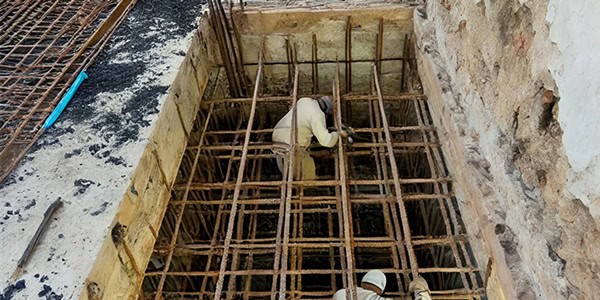
Carrying out repair work on common areas of a building can cause disagreements between co-owners, especially when it comes to work that is deemed necessary for the safety of the building. In such cases, case law provides clear guidelines on when it is possible to continue the work without the consent of all co-owners.
Case law on repairs without consent
In an important decision by the Athens Administrative Court of Appeal (1901/2018), it was ruled that the issuance of a building permit for repair work was lawful, even though the owner of the first floor did not consent to the work required on the ground floor. This decision was made because the repairs were absolutely necessary to restore the building’s safety.
Obligation to Tolerate the Works
According to the court ruling, the owner of the first floor is obliged to tolerate the necessary repairs. This tolerance is based on the court decision of the Athens Court of First Instance, which determined the necessity of the work to repair the damage to the building. The work was intended to eliminate the danger and repair the damage that had either already been identified or was to be identified through additional studies.
Owner’s Rights and Shared Use
In this case, the right of the owner of the ground floor to carry out repairs to the common areas of the building was also recognized. The apartment building regulations allowed the interventions, as they were intended to ensure the static and structural integrity of the building. Removing the danger posed by the building takes precedence over the need for the consent of all owners.
Legality of Permits and Structural Analysis
The decision of the Athens Administrative Court of Appeal confirmed that the legality of the repair permit remained unaffected, even if there was a possibility of challenging the original structural study. In the final phase of the work, a new study was prepared by a different engineer, which ensured that the repairs were completed in accordance with safety standards.
Intervention by the Town Planning Department and Autopsy
An additional important point of case law is that the consent of the other co-owners is not necessary when the Town Planning Department issues a document requiring the immediate correction of dangerous situations. After an on-site inspection, it was found that the repair work had been completed and the danger to the building had been removed. These interventions are considered vital for the protection of the tenants and the surrounding areas.
Significance of Case Law for Owners
This decision provides guidance for owners facing similar situations in apartment buildings and shared buildings. When the safety of the building is at risk, work deemed necessary to eliminate the danger may continue even without the consent of all co-owners. Owners must be aware of their rights and obligations to protect the safety of the building and its residents.